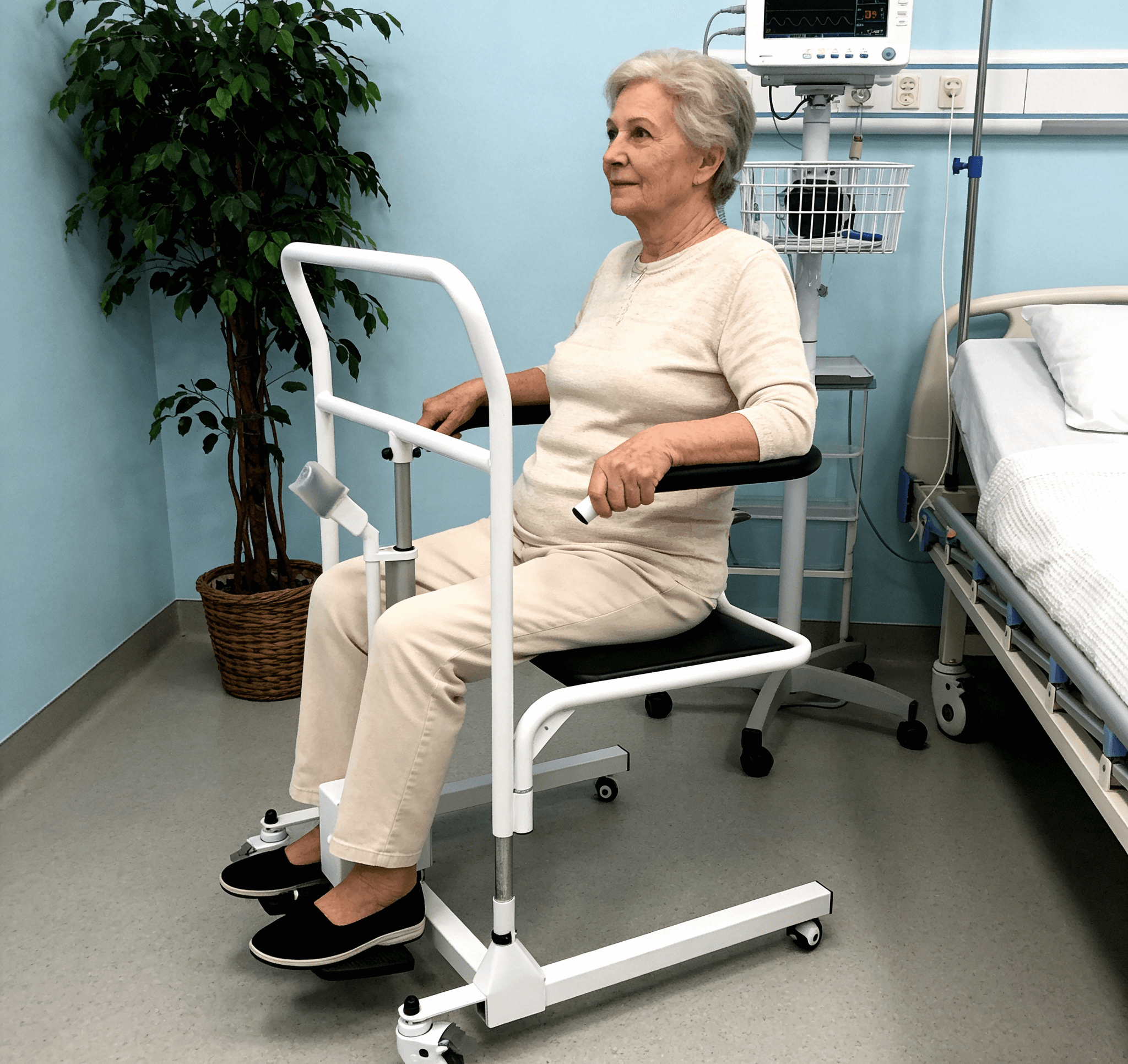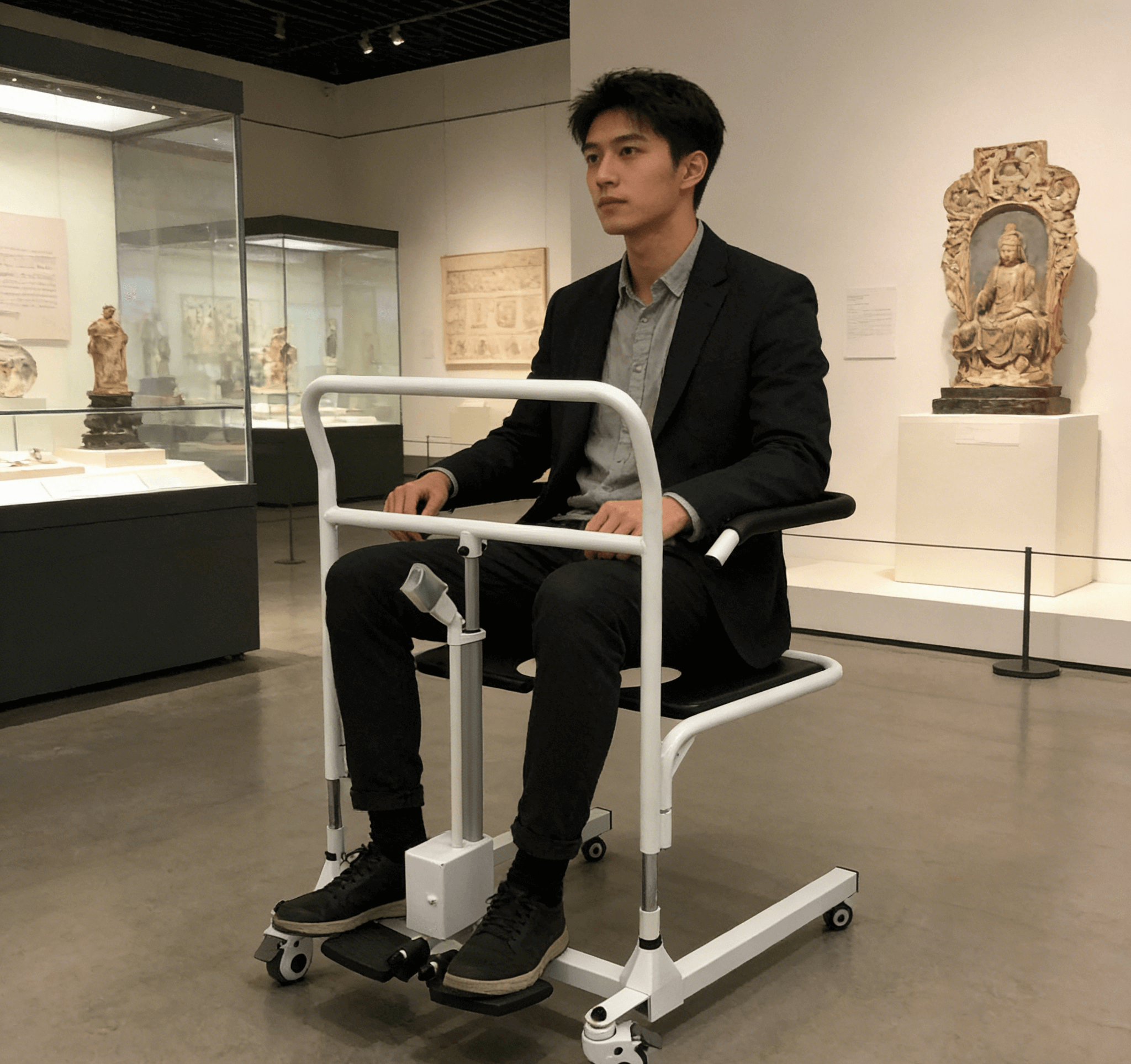
Category: power lift chairs
Posted by 2025-12-17 10:12
hoyer lift experience meaning
The Significance of Hoyer Lift Experience: Witnessing the Dignity of Care in Every Lift and Lower
In the world of medical devices, the Hoyer Lift is categorized as a "patient transfer assist device." Its technical specifications—450-pound weight capacity, 180-centimeter lifting height, and 30-cycle battery life—define its objective identity. However, for those who use it daily, the Hoyer Lift is far more than just a machine. It is a mirror that reflects the truest and most vulnerable aspects of caregiving relationships: dependence and responsibility, powerlessness and perseverance, burden and love.
So, what exactly is the "experiential significance" of the Hoyer Lift? Why does it deserve to be taken seriously, rather than merely operated as a tool?
I. For People with Disabilities: The Dignity Shift from "Being Carried" to "Being Held"
In the era before Hoyer Lifts, transferring someone unable to move independently often involved dragging, lifting, or even sliding them on a sheet. This process was not only dangerous but also deeply humiliating—one’s body became like a piece of cargo, moved amid gasps and pain.
The advent of the Hoyer Lift brought a ritualized gentleness:
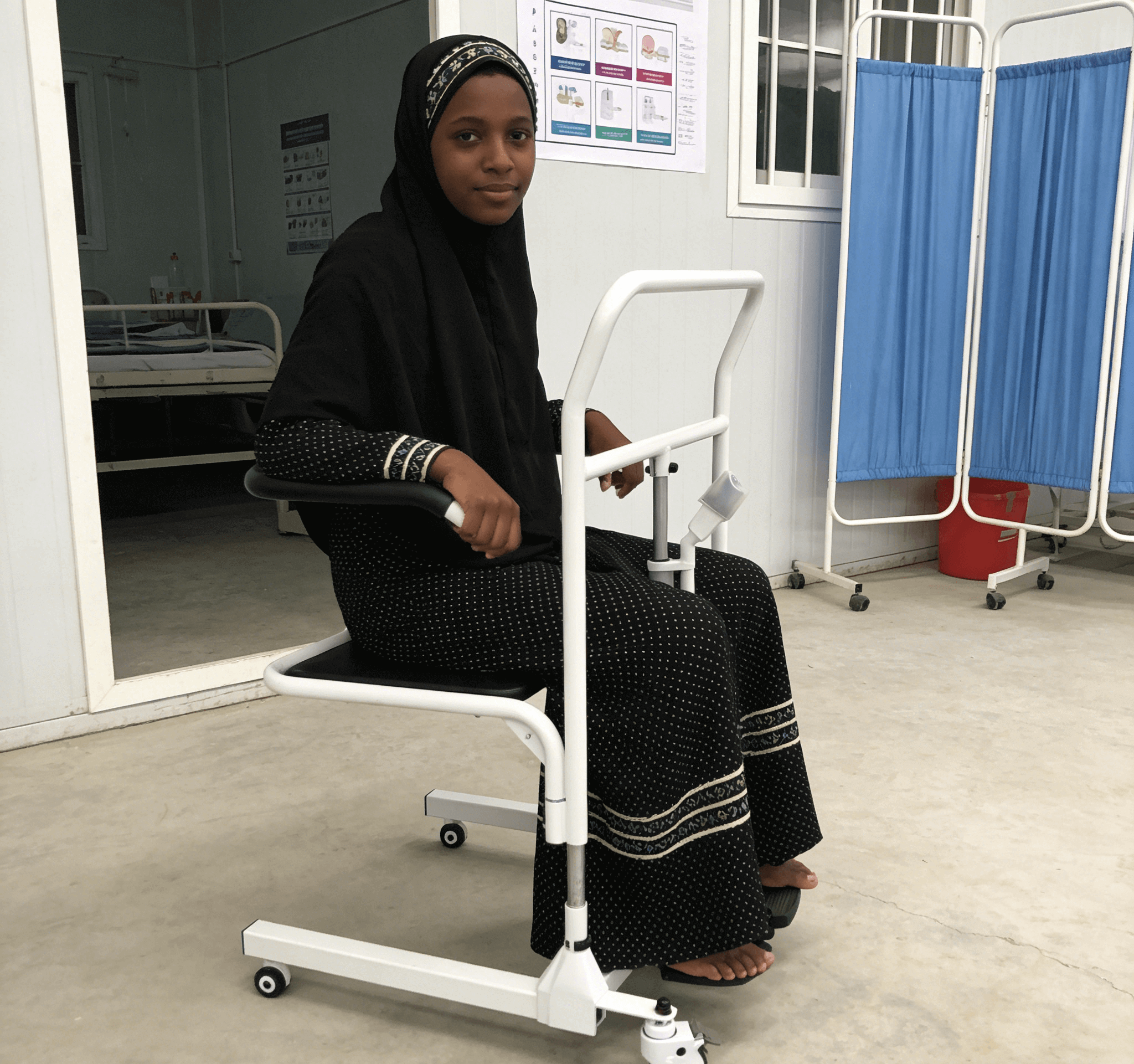
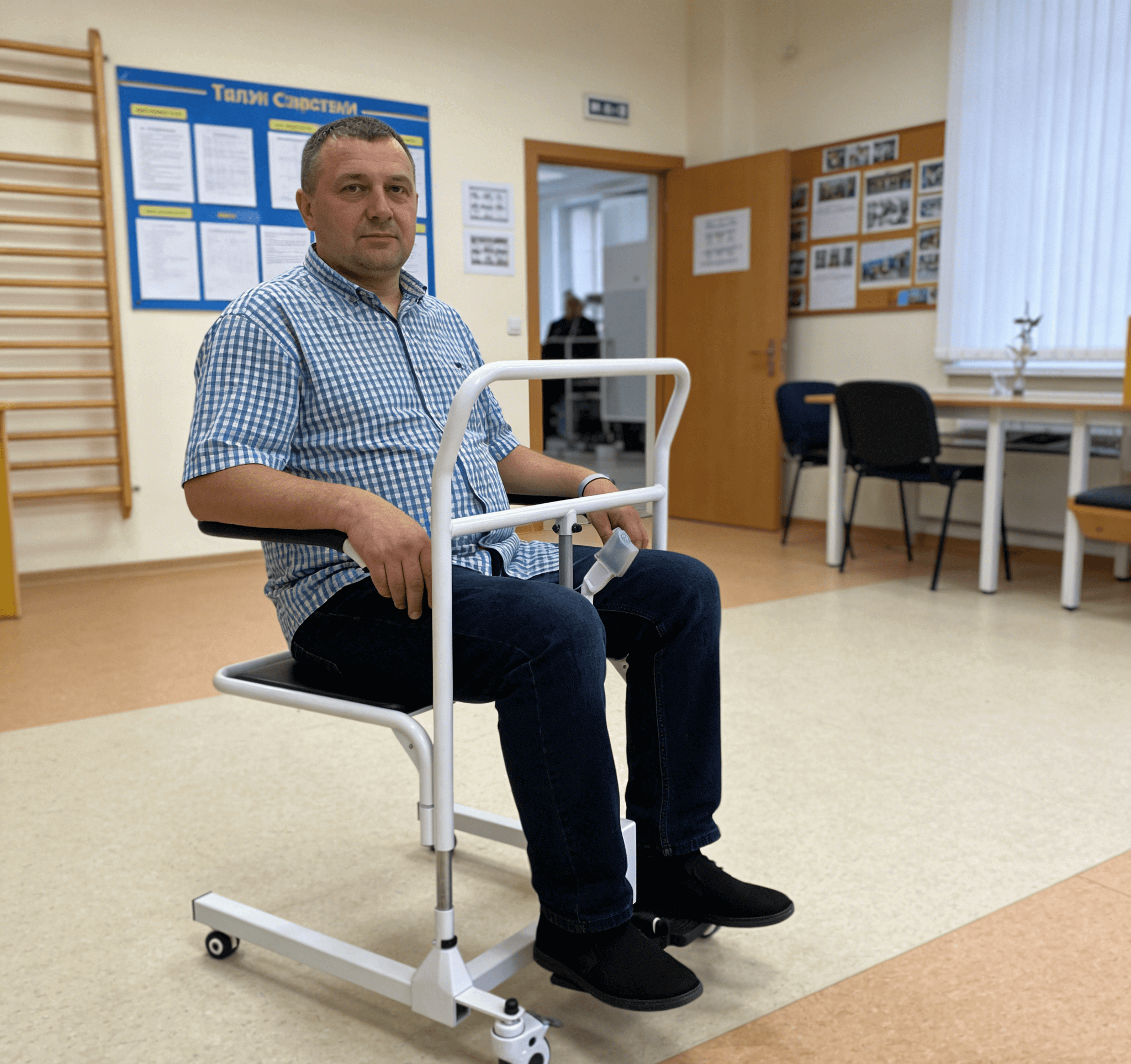
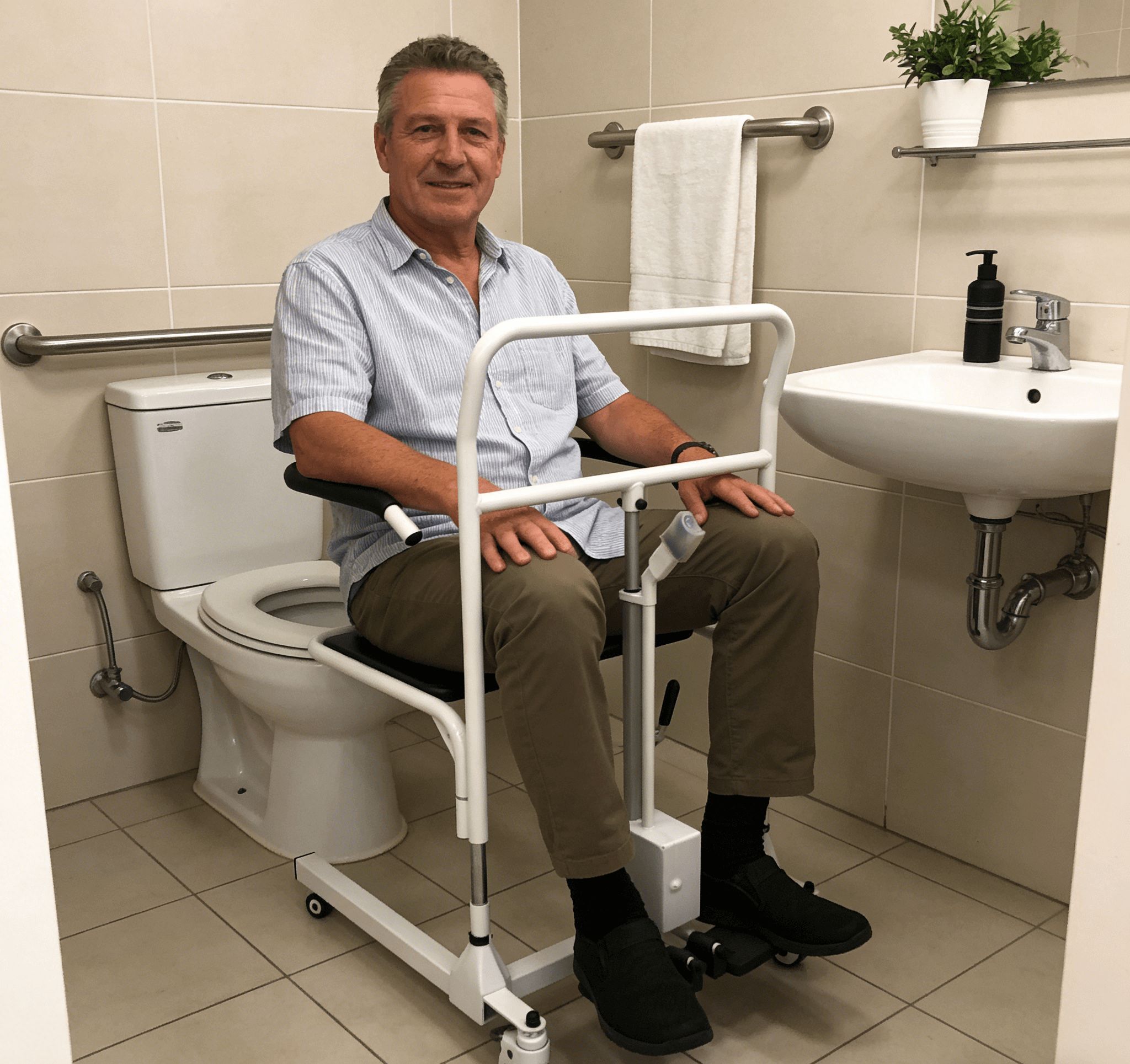
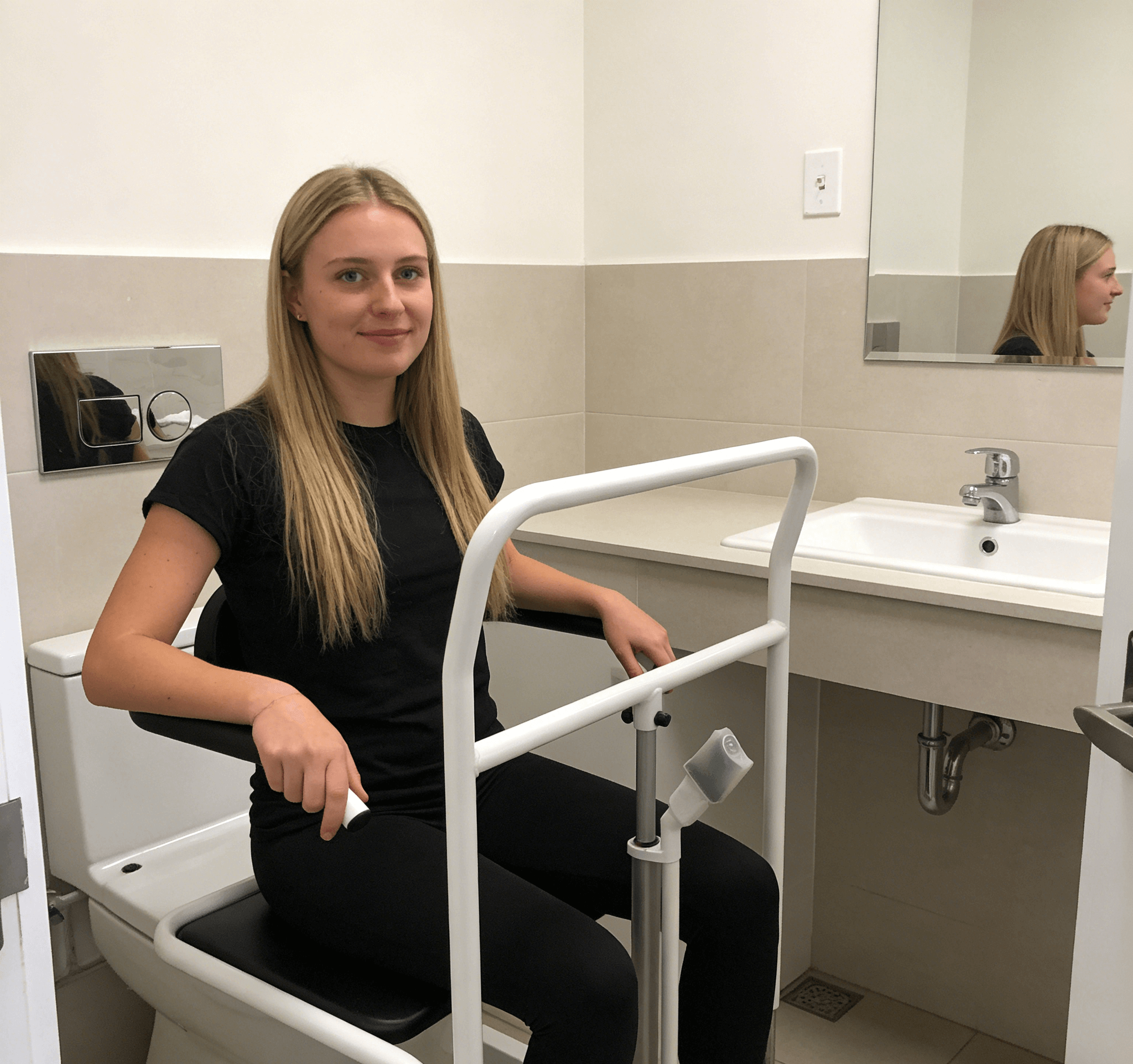
The sling gently wraps around the torso, the boom rises steadily, and the feet hang in the air without falling. The entire process is quiet, controllable, and free of struggle. Patients no longer need to apologize for their "heaviness," nor do they have to witness the pained expressions of caregivers gritting their teeth to persevere.
One of the meanings of this experience: To let people with disabilities be "individuals" again, not "problems."
Between each lift and lower, what they feel is not a burden, but the possibility of being respected.
A patient with a spinal cord injury once wrote: "The moment the sling held me, I knew someone was willing to use a tool to protect me, not brute force to handle me."
II. For Caregivers: From "Sacrificial Giving" to "Sustainable Companionship"
Many family caregivers initially refuse to use Hoyer Lifts, often with reasons like: "I can manage on my own" or "Buying this is a waste." But the reality is that long-term manual lifting leads to lumbar injuries, rotator cuff tears, and chronic fatigue—often causing caregivers to break down before the patients they care for.
The true value of the Hoyer Lift is to bring caregiving back from heroism to sustainable daily life. It does not deny the power of love; instead, it acknowledges that love needs the support of tools to last.
A daughter caring for her mother with Alzheimer’s said: "Before, every time I lifted her, I feared that one day I might suddenly strain my back, and no one would be left to take care of her. Now with the Hoyer Lift, I no longer fear tomorrow. I can keep accompanying her—not by overexerting myself, but with a reliable partner."
The second meaning of this experience: Only when caregivers preserve their own health can they retain the ability to love.
III. For Professional Care: Safety Is Not a Choice, but an Ethical Bottom Line
In nursing homes or hospitals, the Hoyer Lift is not just a tool for efficiency, but a manifestation of professional ethics. Care staff have the right to provide services without harming themselves; patients have the right to be transferred without suffering secondary injuries.
When an institution mandates that "Hoyer Lifts must be used," this is not bureaucracy—it is a commitment to mutual safety. Every standardized operation is a practice of the "people-centered" philosophy.
The third meaning of this experience: To elevate caregiving from empiricism to professional practice.
IV. For Family Relationships: Rebuilding Equality Amid Dependence
Disability often disrupts the original power balance in a family. The once "pillar of the family" may become someone who needs full care, easily falling into self-blame; caregivers, meanwhile, may harbor hidden resentment due to exhaustion. This tension often accumulates through countless difficult transfers.
The intervention of the Hoyer Lift, to some extent, neutralizes the transfer process. It is no longer a concrete scene of "you burdening me," but a technical task faced together: "Let’s wait for the sling to be put on properly" or "You hold the remote—press ‘lift’ when I say so."
The fourth meaning of this experience: To preserve the warmth of humanity amid the calm functionality of machinery.
V. A Deeper Revelation: The Measuring Scale of Progress in Caregiving Civilization
How a society treats its most vulnerable lives is an important measure of its level of civilization. From manual lifting to sliding boards, from waist belts to today’s intelligent transfer systems, every evolution of tools reaffirms the belief that "no one should lose their dignity due to disability."
The experiential significance of the Hoyer Lift ultimately points to a larger question:
Are we willing to build a stable path for those who cannot walk?
Conclusion: Humanity in Every Lift and Lower
The Hoyer Lift cannot speak,
yet it witnesses countless silent conversations:
The reluctance of children to leave their parents,
The perseverance of partners toward their loved ones,
The professionalism and kindness between strangers.
What it lifts,
is a body unable to move on its own;
What it guards,
is the most precious thing in caregiving relationships—
the possibility that neither side is broken.
The true caregiving experience,
does not lie in how advanced the equipment is,
but in whether every operation is carried out
with awe, patience, and tenderness.
May everyone who uses a Hoyer Lift,
not only complete a transfer,
but also reaffirm the dignity of human nature.